
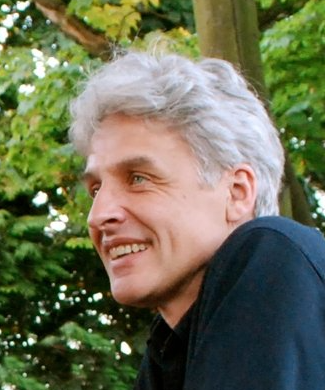
Robert Gilchrist profiles contemporary early music composer Professor Hendrik Bouman. The Dutch harpsichordist and conductor is one of today’s most innovative voices in historical composition, writing in 17th- and 18th-century idioms, with over 170 works completed. Emerging in the 1970s with Musica Antiqua Köln, he later moved to Quebec in 1983 to develop his international career as soloist and conductor. Continue reading the March edition of Fine Music Magazine.
The Dutch composer, harpsichordist and conductor, Professor Hendrik Bouman, is one of the most innovative specialists in the field of early music. He composes in the historical idioms of the 17th and 18th centuries with over 170 completed compositions to date.
Bouman appeared on the world stage in the latter half of the 1970s as the principal harpsichordist at the heart of the young ensemble Musica Antiqua Koln. In 1983 he moved to Quebec to pursue his career as a soloist and conductor.
While in Canada Bouman founded the period orchestra Les Nations de Montréal and in 1987 he directed Les Nations and the Opera Atelier of Laval University in a three-hour live broadcast on Radio Canada. The program featured the 20th-century world premiere of Lully’s opera Amadis, which was subsequently aired in Europe.
During a concert tour of India, with its ancient and uninterrupted musical and spiritual tradition, Bouman determined to approach the European musical heritage of the Baroque era not as a closed book but rather as one still being written.
In 1993 he launched his career on the world stage as a Baroque composer, doing what all composers did in the 17th and 18th centuries – composing in the musical language that he ‘speaks’ and understands.