
Part 3 – presentations in the early years (Continued from September article, click HERE to read the full series)
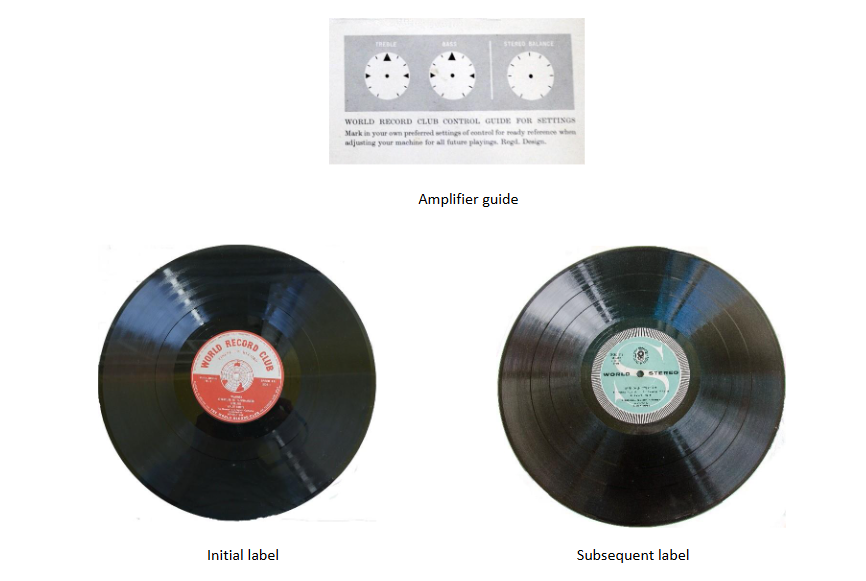
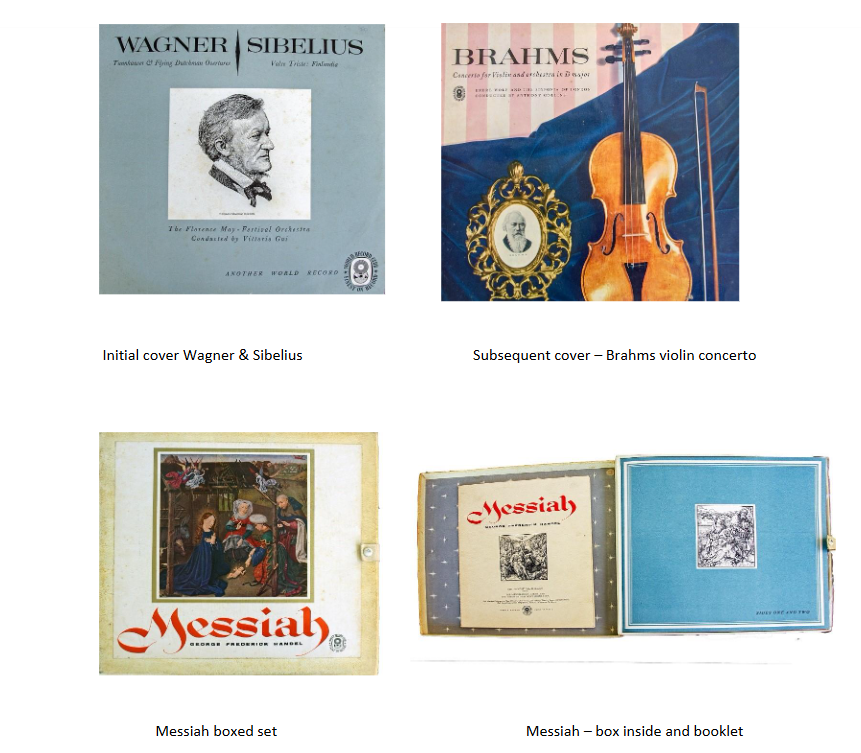
The sleeves of the initial releases had comparatively monochrome colour of similar design and no spine. However, spines and differently designed colour sleeves, design and photographs followed shortly afterwards, concurrent with a replaced inner label which now carried a turntable strobe calibration on its circumference. In addition, some rear sleeves carried a diagram where amplifier settings could be noted. These features lasted for some years but not through the duration of the Club’s releases.
(Unfortunately some of the covers and boxes have not withstood the ravages of more than 60 years of time as can be seen in the following photos.)
Later presentations
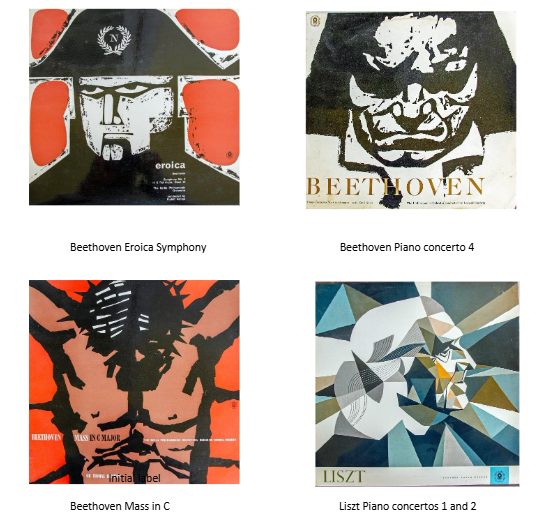
The presentation of WRC releases following the very early issues was superb with top artists and photographers being engaged. From the website, Geoffrey Digby Archive: World Record Club Collection, Inaugural art director Geoff Digby, an alumnus of RMIT, commissioned emerging Australian designers, photographers and illustrators to create art and designs for more than 2000 covers. Contributors included Paul Cleveland, John Copeland, Robert Haberfield, Geoff Hocking, David Leonard, Gus Van Der Heyde, Max Robinson, Athol Shmith, Lance Stirling, Alex Stitt, Gerard Vandenburgh and Tony Ward.
More details of these designers are available on the websites noted in the References.
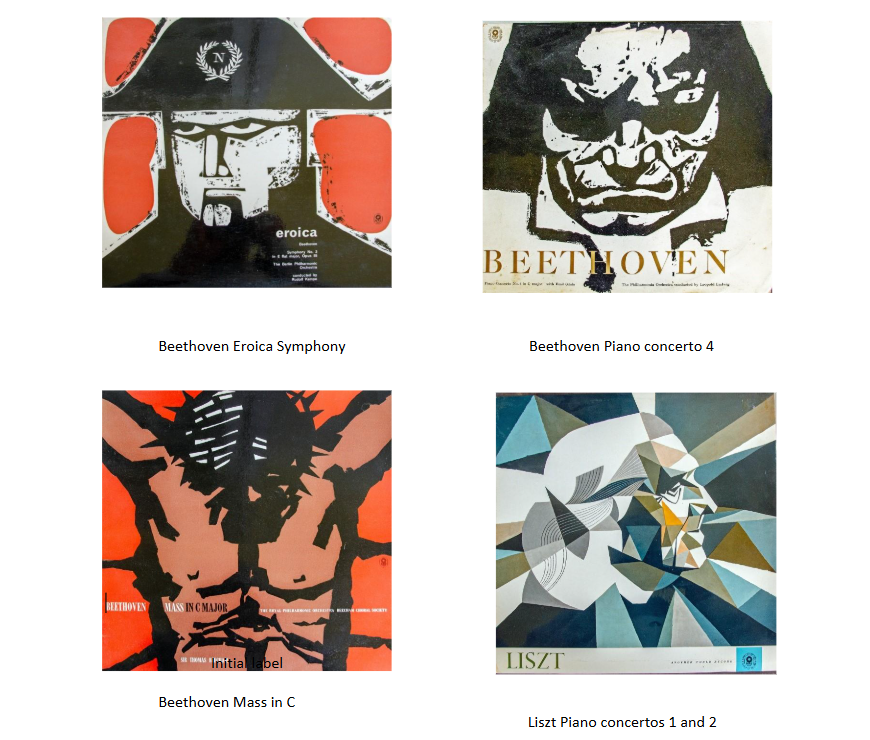
While the sleeves of this period were newly designed, the sleeve notes were those from the original overseas released LPs. Examples of covers are:
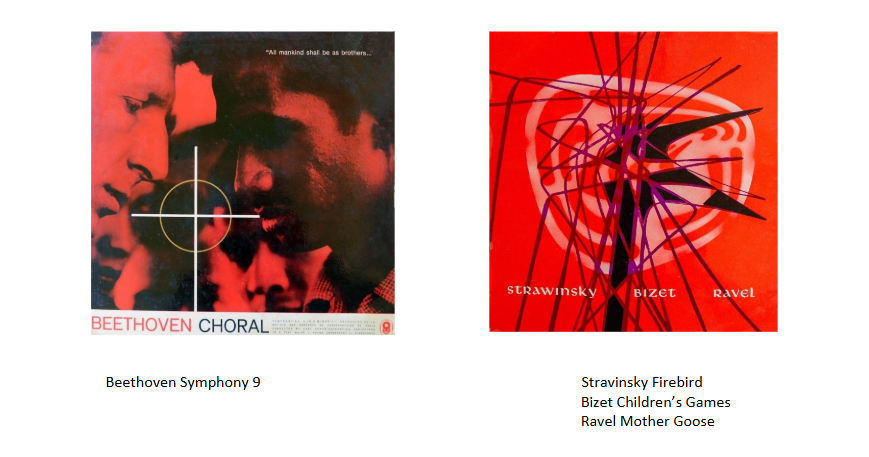
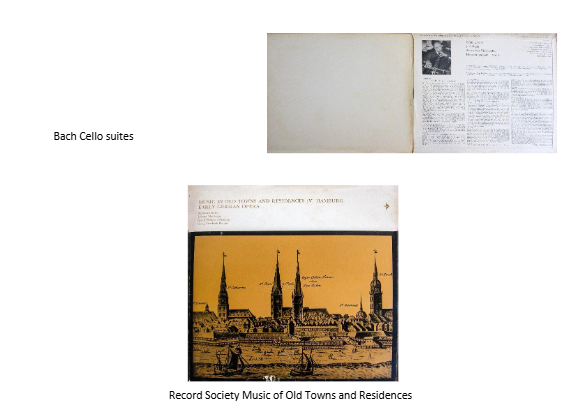
Record Society Issues were customarily with an outer wrap around and double-sided descriptive notes. The presentation was generally more austere in comparison with the WRC covers.
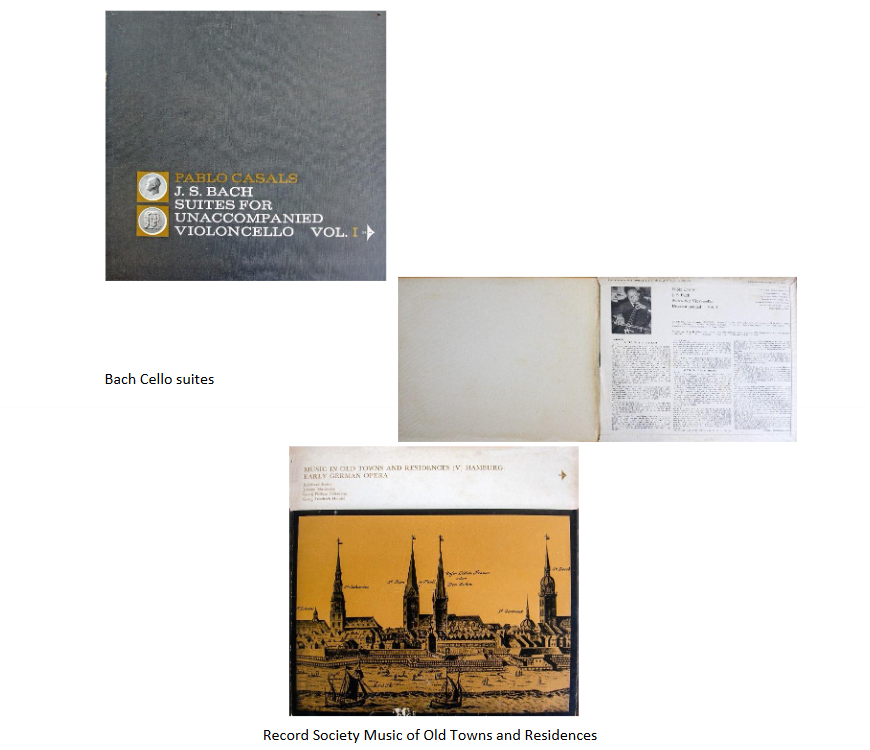
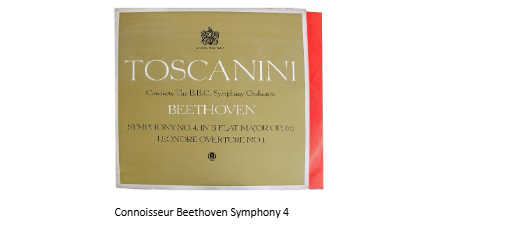
The Connoisseur label was gold, often with a cardboard liner as well as a plastic liner with the disc.
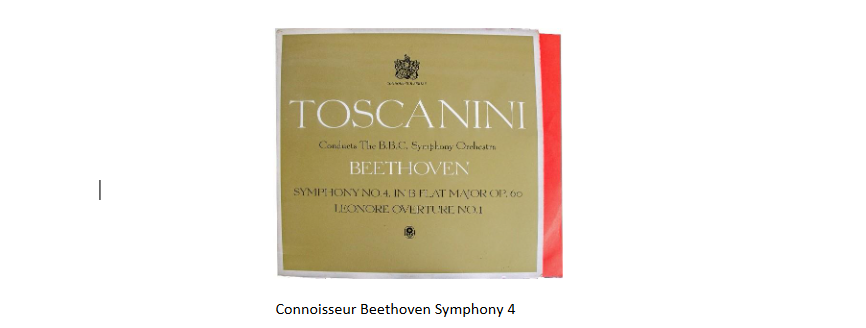
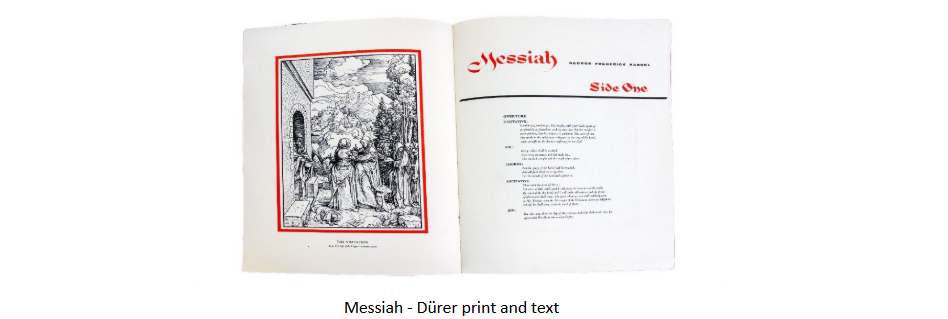
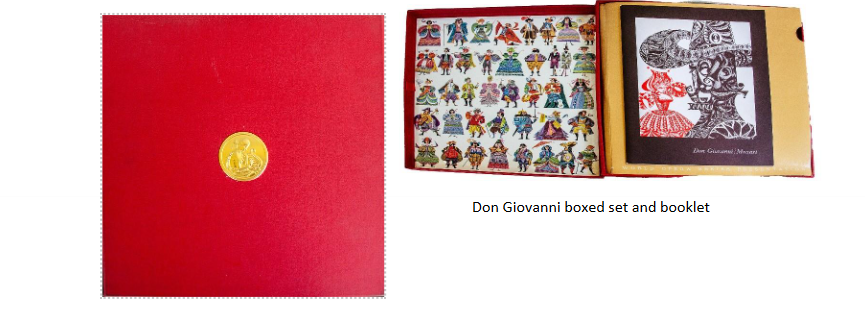
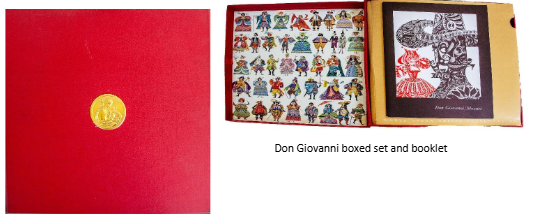
The boxed set operas were very impressive, with the box being stippled heavy red cardboard and having a 3-dimensional emblem mid box cover. The booklet was very well produced with full texts and translations. Unfortunately such expensive auxiliaries did not feature for very long and the boxed sets were replaced with more basic boxes by the mid 60s.
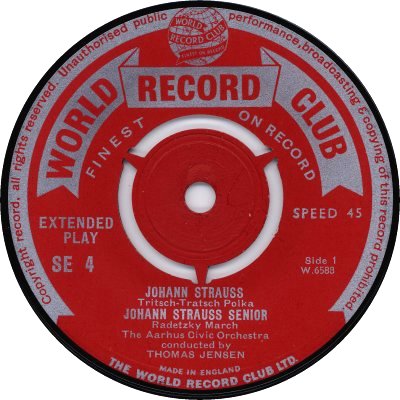
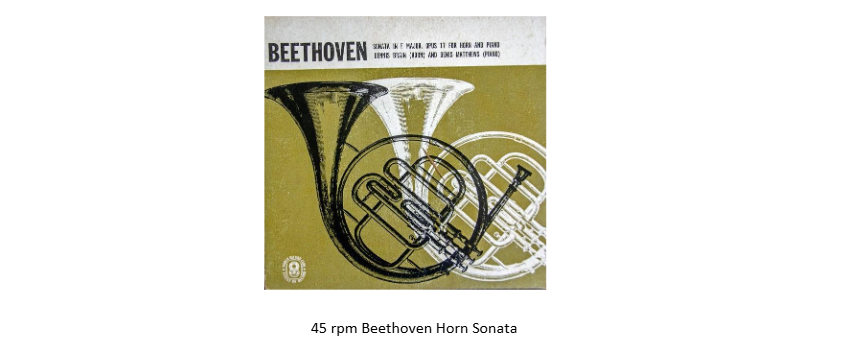
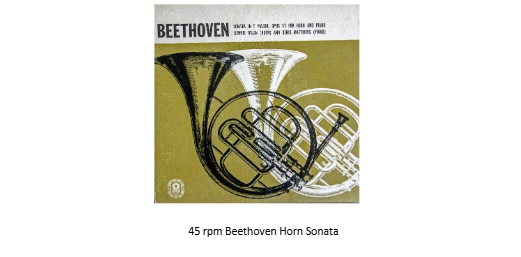
Over the time a few 45 r.p.m. 7” records were also offered. I have a copy of Dennis Brain playing the Beethoven Horn Sonata as an example among others.
The next article of this series describes the later years of the classical sector of WRC including the expansion of the catalogue to include Decca and DG releases. A subsequent article will describe music of other genres released by WRC over its lifetime.
References
Wikipedia
History of WRC
World Record Club UK and Australia
Full description of writers and cover art designers
Geoffrey Digby Archive: World Record Club Collection
Later presentations
Early on, the sleeves of WRC releases blossomed into art works as leading artists and photographers were commissioned to design them.
Inaugural art director Geoff Digby, an alumnus of RMIT, commissioned emerging Australian designers, photographers and illustrators to create art and designs for more than 2000 covers. Contributors included Paul Cleveland, John Copeland, Robert Haberfield, Geoff Hocking, David Leonard, Gus Van Der Heyde, Max Robinson, Athol Smith, Lance Stirling, Alex Stitt, Gerard Vandenburgh and Tony Ward.
Geoffrey Digby Archive: World Record Club Collection
While the sleeve designs were new, the notes from the original LPs, released overseas, were retained.
Those records issued by the Record Society Issues usually had an outer wrap around and double-sided descriptive notes. The presentation was generally more austere that of the WRC covers.
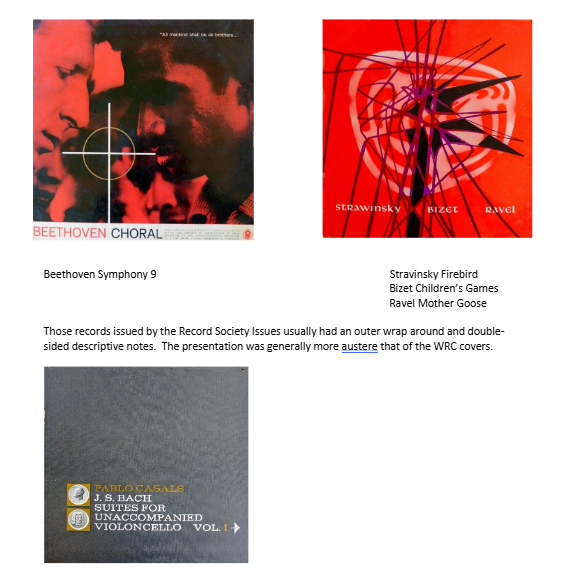
Bach Cello suites
The Connoisseur label was gold and often had a cardboard liner and the disc contained in a plastic liner.
Boxed set operas were presented in impressive heavy red cardboard covers with a three-dimensional emblem in the centre and were accompanied by a well-produced booklet containing the full text and translation. However, these expensive auxiliaries did not feature for long and were replaced with more basic boxes by the mid-1960s.
Occasionally 45 rpm 7” records were offered, among them a recording of Dennis Brain playing the Beethoven Horn Sonata.
References
Wikipedia
History of WRC
World Record Club UK and Australia
Full description of writers and cover art designers
Geoffrey Digby Archive: World Record Club Collection
Please click HERE to read part 1,3,4 and 5