
(Continued from January article)
Part 5 – Classical presentations in the later years
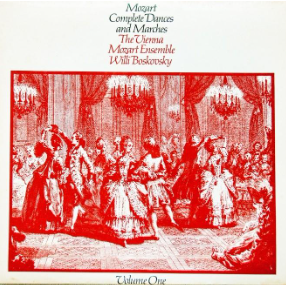
Presentations
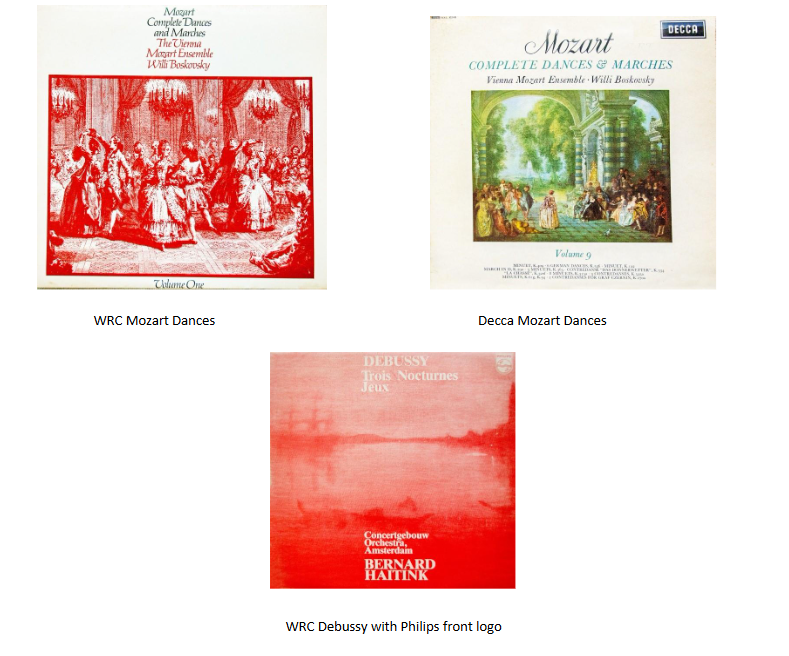
WRC continued to issue innovative colour designs and photos throughout the 60s but by the 70s this aspect had notably cheapened and become more basic. Many covers, coloured in their overseas releases, were reduced to monochrome for the WRC release. An example is the important Boskovsky/Mozart Dances and Marches series. Another late example is the Haitink/Debussy/Nocturnes where the cover appears to be part or all of perhaps a Turner painting, but who can tell?
As described further below, these became mixtures of the source presentation and WRC modifications.
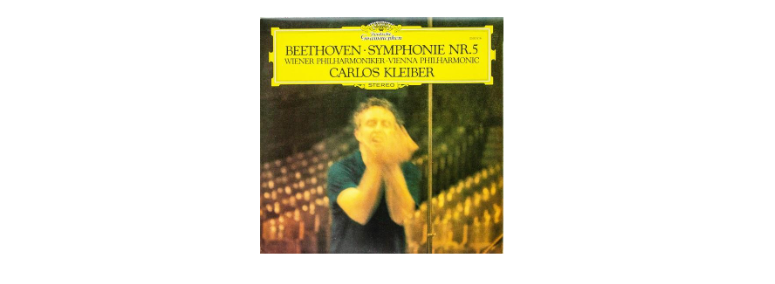
At least the WRC issue famous Beethoven 5 under Carlos Kleiber and the Vienna Philharmonic was in full colour.
Similar monochrome covers were used for the specialist label of Record Society which label eventually disappeared in the mid sixties to become WRC releases.
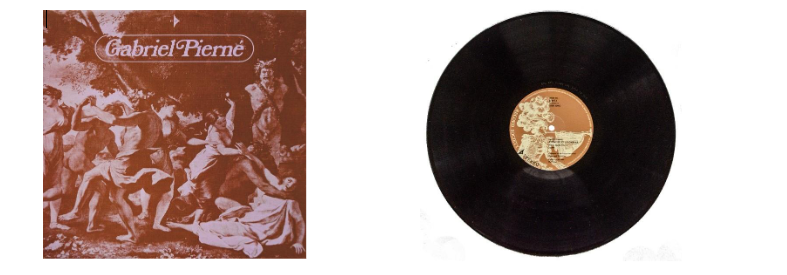
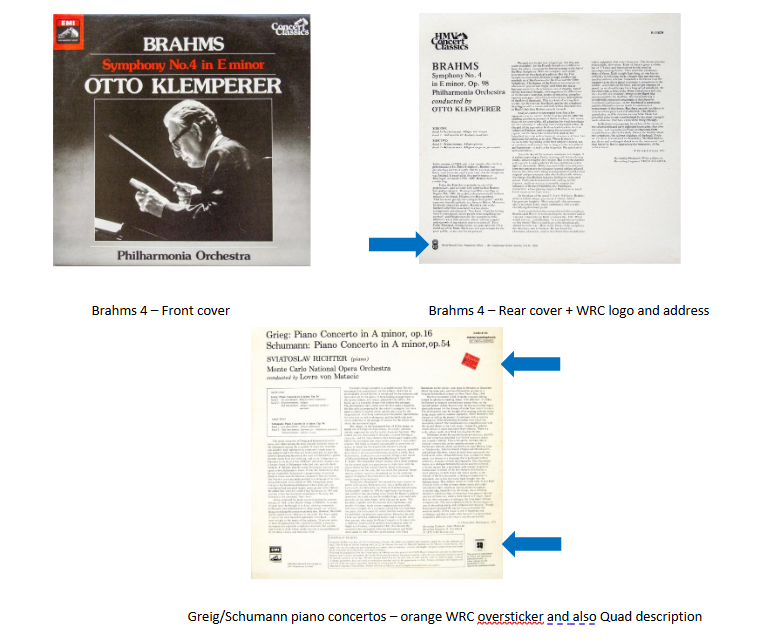
Many later covers were the overseas design and original brand labelling including the label, with the WRC logo and details over-printed on the back label and eventually only having a small oversticker on the rear cover.
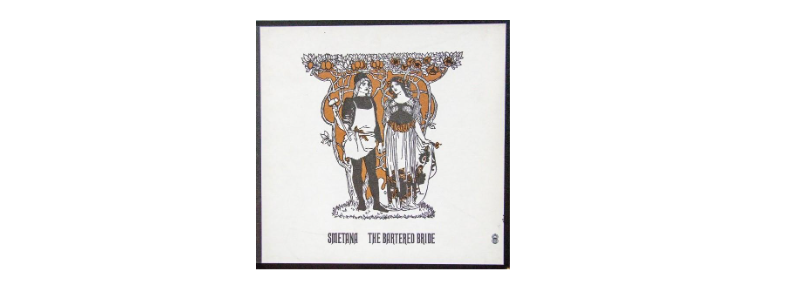
The boxed sets were rarely no better, a black cardboard box with a near monochrome label attached.
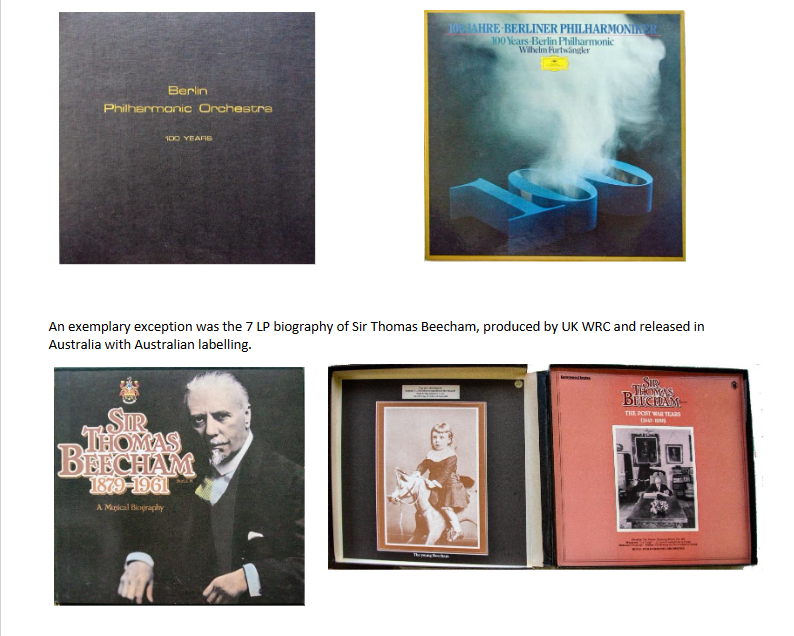
The important issue of a multi-disc celebration of the 100th anniversary of the Berlin Philharmonic Orchestra deserved better, particularly in comparison with the simultaneous DG release of a Furtwängler/BPO boxed set.
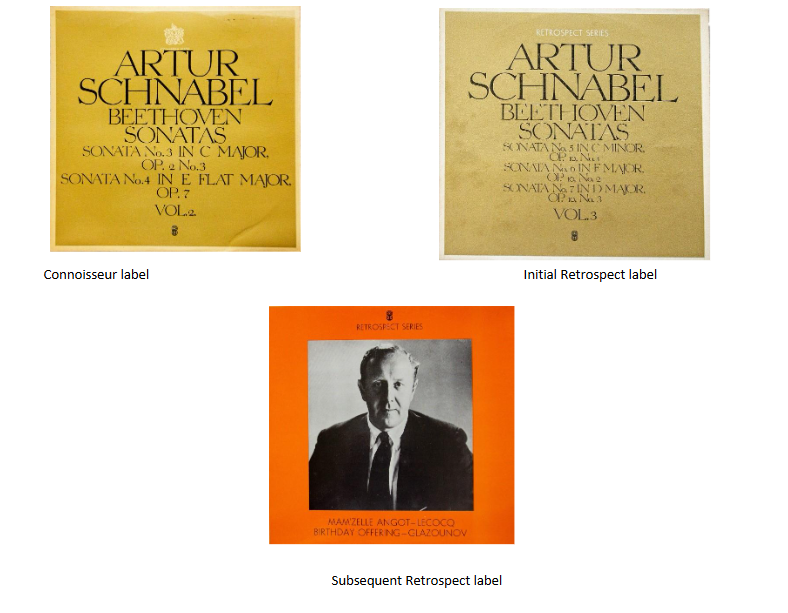
WRC Club continued to issue “historical” performance’s, changing its titling from Connoisseur to Retrospect (midway through the release of Schnabel’s Beethoven sonatas cycle) with distinctive gold labeling until in the final years the historical reissues were blander, in common with the other WRC labelling.
LP Labels
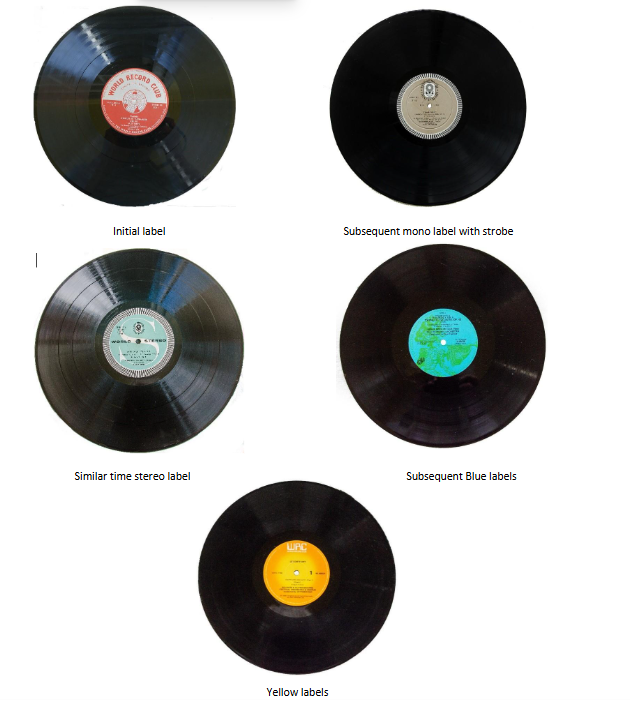
As far as I can ascertain, the range of WRC labels over the lifetime of issues are shown with sequential examples below. While in the late 50s and 60s mono and stereo releases were readily distinguished on both record sleeves and labels, mono releases in the 70s had only a Mono designation on the back sleeve. (The yellow label for the Le Compte Ory below has no such designation.) The useful strobe label was replaced with a blue label and finally a yellow label used for New Zealand pressings.
Miscellaneous
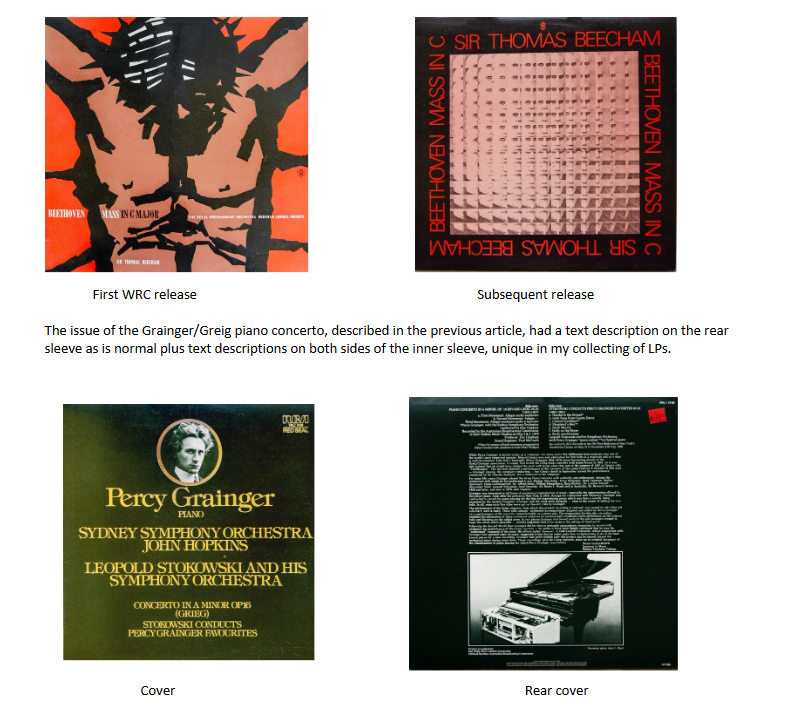
During the preparation of this review, I noted two LPs that struck me as particularly different from others. For the reissue of the Beecham/Beethoven Mass in C, the original WRC was a striking design of Christ on the Cross, the second a 13×13 array of different parts of Beecham’s face. In full size this looks especially bizarre and it is difficult to distinguish Beecham’s features at all. The latter LP had no EMI markings on the cover but had an EMI label.
Quadrophony (Quad)
LPs with Quadraphonic or surround sound were introduced in the early 1970s. They required four separate sound channels in the signal carriage from stylus, through the amplifier to speakers in the four corners of a room.
WRC sourced and distributed a number of EMI Quad classical recordings but eventually Quad sound systems turned out to be a marketing failure and the Quad system was very short lived.
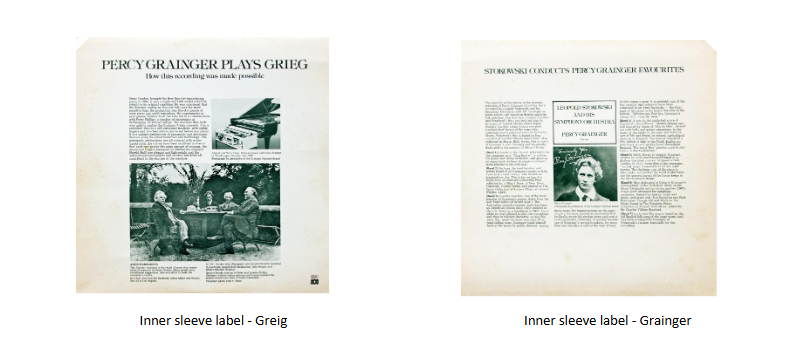
The description adjoining the Quad logo on the LP stated, This record is engineered so that it will reproduce stereophonically, or when played on SQ equipment will reproduce quadrophonically. See photo of rear sleeve of the Greig/Schumann piano concertos above.
Pressings
The quality of the pressings was variable but, in general, at least for Australian pressings, became variable over the years. Surface noise and crackle increased on some LPs and I remember receiving an LP of Janet Baker singing Liszt songs where the surface was pock-marked beyond belief and, of course, unplayable. In general, I found later pressings from New Zealand were superior that their Australian counterparts.
Correction
In Part 2 of this series I stated that In Sydney the collection shops were in the city, initially at 47 Clarence St, then briefly at 134 Castlereagh St, then 177 Elizabeth St over the remaining lifetime of the Club.
Subsequent to Elizabeth St, further Sydney addresses were 301 Castlereagh St and 222 Botany Road, Alexandria. My memory is that these last two were offices only and all distribution was by mail.
As copied from one of the later 60s label, Australian WRC addresses in each city were 299 Flinders Lane, Melbourne, 365 Camberwell Rd, Hartwell, 177 Elizabeth St, Sydney, 93 Queen St. Brisbane, 23 Leigh St, Adelaide and 143 Barrack St. Perth.
The next article in this series describes other genres released by WRC over its lifetime, eg light music. Jazz, spoken word and especially musicals.
David Edmonds
References
Wikipedia
Personal LP collection
Please click HERE to read part 1, 2, 3, 4 and 6