
Here is an eclectic selection of jazz musicians born in May, prepared by Louise Levy and Phillip Cant.
Shirley Horn
May 1, 1934 – October 20, 2005

“Let me whisper it. Let me sigh it. Let me sing it, my dear or I will cry it.”
Shirley Horn was an American jazz singer and pianist. She collaborated with many jazz greats including Miles Davis, Dizzy Gillespie, Toots Thielemans, Ron Carter, Carmen McRae, Wynton Marsalis, and others. She was most noted for her ability to accompany herself with nearly incomparable independence and ability on the piano while singing, something described by arranger Johnny Mandel as “like having two heads”, and for her rich, lush voice, a smoky contralto, which was described by noted producer and arranger Quincy Jones as “like clothing, as she seduces you with her voice”.
Richard “Groove” Holmes
May 2, 1931 – June 29, 1991
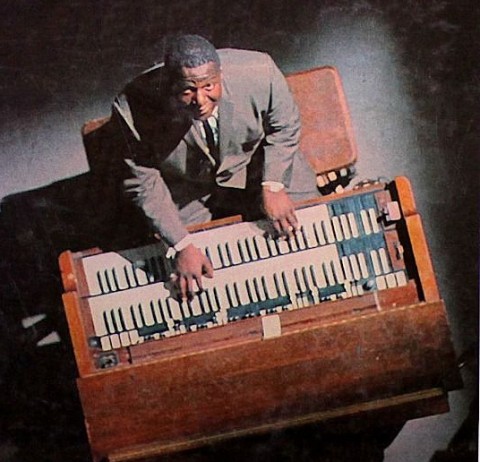
Richard Arnold “Groove” Holmes was an American jazz organist who performed in the hard bop and soul jazz genre. He is best known for his 1965 recording of “Misty”. Holmes’s first album, on Pacific Jazz with guest Ben Webster, was recorded in March 1961. He recorded many albums for Pacific Jazz, Prestige, Groove Merchant, and Muse, many of them with Houston Person. He died of a heart attack after battling prostate cancer, having performed his last concerts in a wheelchair. One of his last gigs was at the 1991 Chicago Blues Festival with his longtime friend, singer Jimmy Witherspoon.
Bing Crosby
3 May, 1903 – October 14, 1977
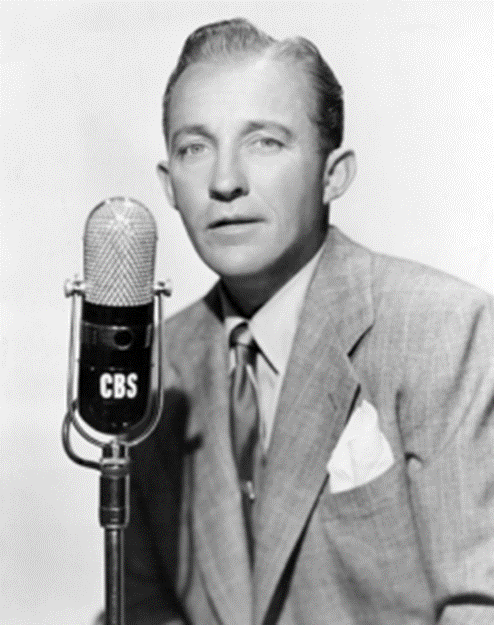
“Oh, listen a lot and talk less. You can’t learn anything when you’re talking.”
Harry Lillis “Bing” Crosby Jr. was an American singer, comedian and actor and was one of the first singers to exploit the intimacy of the microphone rather than use the deep, loud vaudeville-style associated with Al Jolson. He was, by his own definition, a “phraser”, a singer who placed equal emphasis on both the lyrics and the music. In the framework of the novelty-singing style of the Rhythm Boys, he bent notes and added off-tune phrasing, an approach that was rooted in jazz.
Ron Carter
May 4, 1937

“Creativity is not simply a property of exceptional people but an exceptional property of all people.”
Ron Carter is an American jazz double-bassist. His appearances on 2,221 recording sessions make him the most-recorded jazz bassist in history. Carter is also a cellist who has recorded numerous times on that instrument. Some of his studio albums as a leader include: Blues Farm (1973); All Blues (1973); Spanish Blue (1974)
Paul Barbarin
May 5, 1899 – February 17, 1969

“Paul Barbarin plays real New Orleans drums. It’s a different beat altogether. He ain’t got A beat, man, he’s got THE beat.” – Louis Armstrong
Adolphe Paul Barbarin was an American jazz drummer from New Orleans. He grew up in a family of musicians, including his father Isidore, three of his brothers (including Louis), and his nephew (Danny Barker). He was a member of the Silver Leaf Orchestra and the Young Olympia Band. He moved to Chicago in 1917 and worked with Freddie Keppard and Jimmie Noone. From 1925–1927, he was a member of King Oliver’s band. In 1928 he moved to New York City and played in Luis Russell’s band for about four years. He left Russell and worked as a freelance musician, but he returned to Russell’s band when it supported Louis Armstrong. For a brief time beginning in 1942, he worked for Red Allen’s sextet, with Sidney Bechet in 1944 and Art Hodes in 1953. In 1955, he founded the Onward Brass Band in New Orleans. He spent the rest of his life as the leader of that band.
Till Brönner
May 6, 1971
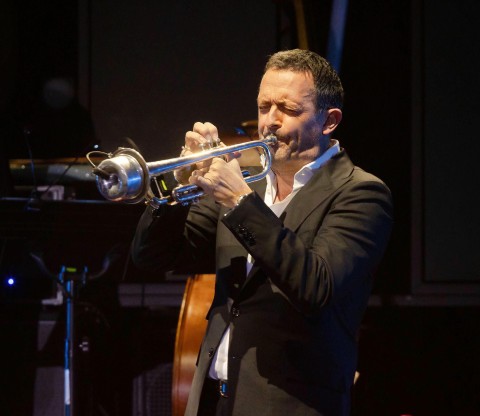
Till Brönner is a German jazz trumpeter, flügelhorn player, singer, composer, producer and photographer. At the age of twenty, he became solo trumpeter of the RIAS Big Band Berlin. He recorded his debut album, Generations of Jazz (1993) with Ray Brown and Jeff Hamilton. His vocal debut was on Love (Verve, 1998). His album That Summer (2004) landed on the German pop chart at No. 16 and made him the bestselling jazz musician in Germany’s history. Brönner’s album Oceana (2006) featured appearances by vocalists Carla Bruni, Madeleine Peyroux, and Luciana Souza. Rio (2009) was a tribute to bossa nova and Brazilian music with appearances by Kurt Elling, Melody Gardot, Sergio Mendes, Milton Nascimento, and Luciana Souza. In 2014, he released The Movie Album, which contained cover versions of songs from old movies to the present, recorded in Los Angeles and produced by jazz guitarist and producer Chuck Loeb.
Joe Ford
May 7, 1947
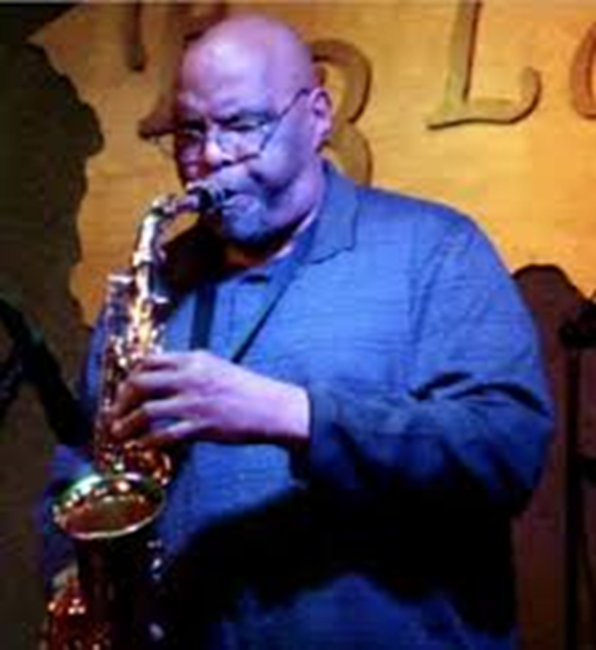
“All the styles I grew up with and have played professionally, funk, gospel, classical, avant-garde and jazz, are within me. Though I’ve been playing professionally for many years, every note I play is brand new, providing a current overview of what I’m about at the present time.”
Joe Ford is an American jazz saxophonist. Ford studied saxophone under Makanda Ken McIntyre, Jackie McLean, and Frank Foster. He took his Bachelor’s in music education in 1968 fro
Keith Jarrett
May 8, 1945

“Jazz is there and gone. It happens. You have to be present for it. That simple.”
Keith Jarrett is an American pianist and composer. Jarrett started his career with Art Blakey and later moved on to play with Charles Lloyd and Miles Davis. Since the early 1970s, he has also been a group leader and solo performer in jazz, jazz fusion, and classical music. His improvisations draw from the traditions of jazz and other genres, including Western classical music, gospel, blues, and ethnic folk music. His album The Köln Concert, released in 1975, is the best-selling piano recording in history. In 2008, he was inducted into DownBeat Jazz Hall of Fame in the magazine’s 73rd Annual Readers’ Poll. In 2003, Jarrett received the Polar Music Prize and was the first recipient to be recognized with prizes for both contemporary and classical music.
Jackie Orszáczky
May 8, 1948 – February 3, 2008
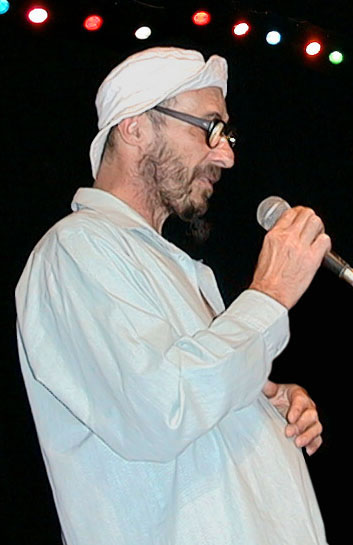
Miklós József “Jackie” Orszáczky was a Hungarian-Australian musician, arranger, vocalist and record producer. His musical styles included jazz, blues, R&B, funk and progressive rock. From the age of five, Orszaczky studied classical piano and violin. He preferred listening to his father’s Spanish and Afro-Cuban records and the local gypsy music. He mainly played bass guitar – from the early 1990s he used a modified piccolo bass – but also various other instruments. In 2006 Orszaczky was awarded the Knight’s Cross of the Order of Merit by the Hungarian government.
Tania Maria
May 9, 1948
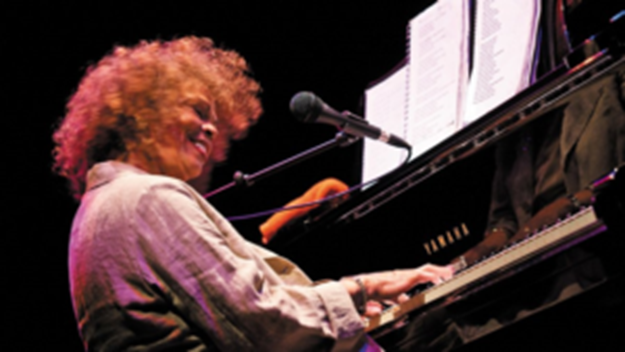
Tania Maria is a Brazilian artist, singer, composer, bandleader and piano player, singing mostly in Portuguese or English. Her Brazilian-style music is mostly vocal, sometimes pop, often jazzy, and includes samba, bossa, Afro-Latin, pop, and jazz fusion.”
Anthony Wilson
May 9, 1968
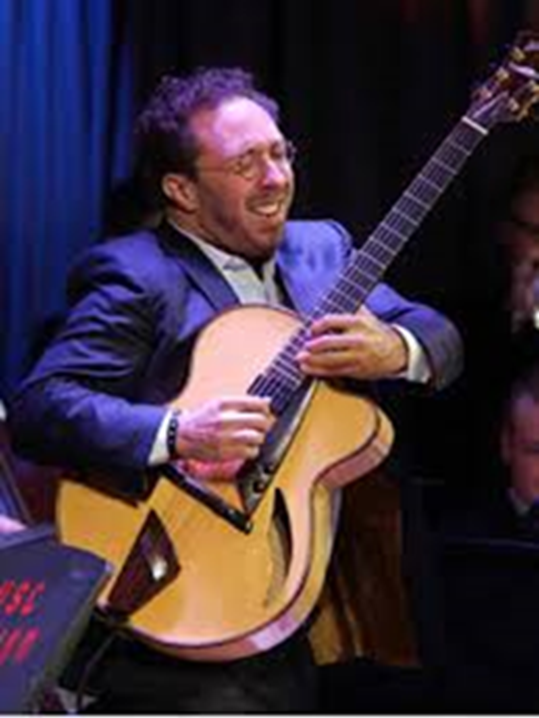
Anthony Wilson is an American jazz guitarist, arranger, and composer. He is the son of bandleader Gerald Wilson. Born in Los Angeles on May 9, 1968, Wilson received his degree in music composition from Bennington College. His first major breakthrough was as lead guitarist of the group, Storm in 1980. He counts Duke Ellington, Gil Evans, Wes Montgomery, Ry Cooder, and T-Bone Walker among his influences. His first album Anthony Wilson was nominated for a Grammy Award and his second album, Goat Hill Junket (1998) also received praise. Albums with his nine-piece band include Adult Themes (MAMA, 1999) and Power of Nine (Groove Note, 2006). Diana Krall and mandolinist Eva Scow appear on the latter.”
George Golla
May 10, 1935

“If you take a dozen good tunes, they will contain everything you want to know about technique. Everything that I want to know exists in the standard repertoire.”
George Golla AM is an Australian jazz guitarist. Born in Chorzów, Poland, he emigrated to Australia in the 1950s and began working in Sydney. In 1959, he commenced a long-term working musical partnership with the clarinetist, flautist and saxophonist Don Burrows that continued for almost forty years, recording frequently together and in quartets and other combinations. Together they nurtured and featured many young talents, including and multi-instrumentalist James Morrison, guitarist Guy Strazzullo and drummer David Jones. Golla toured frequently throughout Australia and at times with international guest support artists such as vibraphonist Gary Burton in the early 1970s, and has had a long association with Brazilian musicians including Luis Bonfa and extensive performance of and many recordings of Latin American-influenced jazz, including the Bonfa Burrows Brazil (The Orchard). Golla appeared at both the Montreux Jazz Festival and Newport Jazz Festival in 1972 and has performed at many Australian festivals. He has made hundreds of recordings, including The Don Burrows Quartet at the Sydney Opera House (1974), and Steph’n’Us (1977) with Stephane Grappelli during a tour with Grappelli and Burrows.
Pamela Hines
May 11, 1962
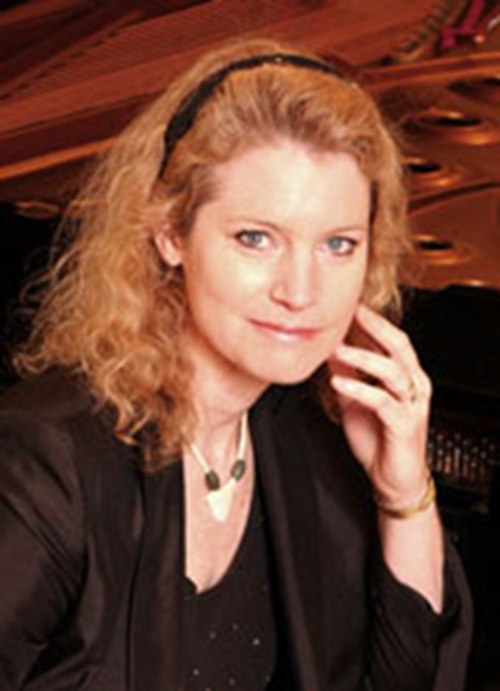
Pamela Hines has been a prolific and consistent presence in American jazz as a pianist and composer. She has received national and international critical acclaim for edgy instrumental compositions that contribute to the jazz history and art of the trio, quartet, and quintet and for jazz originals for vocalists that are more at home in the American Songbook.
Gary Peacock
May 12, 1935 – September 4, 2020
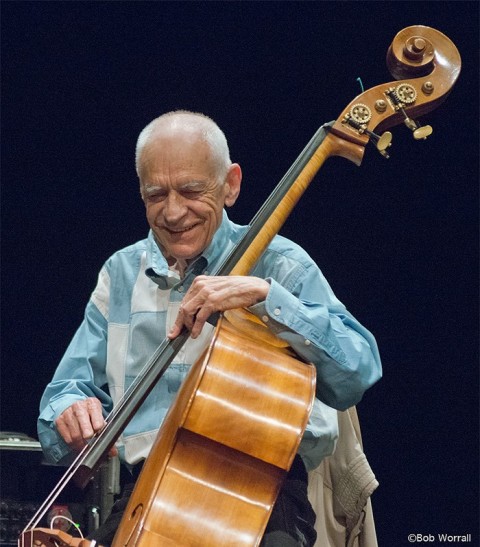
“If you always wake up in the morning and realize, ‘Oh my God, I’m just a beginner!,’ then you’re in a really good place. If you wake up in the morning and say, ‘Oh, I’ve got that handled, I can do anything I want.’ – hmm, I don’t know.”
Gary George Peacock was an American jazz double bassist. He recorded a dozen albums under his own name, and also performed and recorded with major jazz figures such as avant garde saxophonist Albert Ayler, pianists Bill Evans, Paul Bley and Marilyn Crispell, and as a part of Keith Jarrett’s “Standards Trio” with drummer Jack DeJohnette. The trio existed for over thirty years, and recorded over twenty albums together. DeJohnette once stated that he admired Peacock’s “sound, choice of notes, and, above all, the buoyancy of his playing.” Marilyn Crispell called Peacock a “sensitive musician with a great harmonic sense.”
Gil Evans
May 13, 1912 – March 20, 1988

“The arranger doesn’t get any royalties, but I had so much fun doing it.”
Gil Evans was a Canadian-American jazz pianist, arranger, composer, and bandleader. He is widely recognized as one of the greatest orchestrators in jazz, playing an important role in the development of cool jazz, modal jazz, free jazz, and jazz fusion. He is best known for his acclaimed collaborations with Miles Davis.
Benito Gonzalez
May 14, 1975
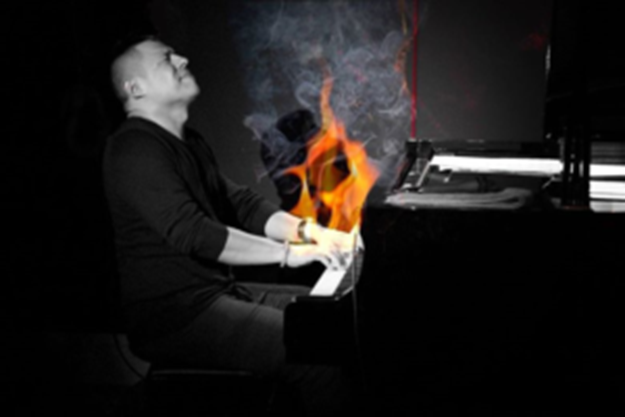
‘Music can be a really powerful healing tool’
Born into a family of Venezuelan folk musicians, jazz pianist Benito Gonzalez has always had a deep-rooted appreciation for pastimes and traditions. Today, as a rising star of one of America’s finest musical traditions, Gonzalez has come to his current status by following in the footsteps of jazz’s ancestral forebears. The fusion of world rhythms and straight-ahead jazz makes this passionate performer an audience favorite all over the world. Benito Gonzalez is being recognized as an exciting pianist and composer for his well-received debut album ‘Starting Point’.
Oscar Castro-Neves
May 15, 1940 – September 27, 2013

“I wanted [my music] to be a glimpse into my own heart, what I’d like to give back for all that I’ve gotten from life. The music is just bits and pieces of what I am.”
Carlos Oscar de Castro-Neves was a Brazilian guitarist, arranger, and composer who is considered a founding figure in bossa nova. He was born in Rio de Janeiro as one of triplets and formed a band with his brothers in his youth. Later he toured with Stan Getz and Sérgio Mendes, and went on to work with musicians from different genres, including Billy Eckstine, Yo Yo Ma, Michael Jackson, Barbra Streisand, Stevie Wonder, João Gilberto, Eliane Elias, Lee Ritenour, Airto Moreira, Toots Thielemans, John and Diane Schuur. With Mendes, Castro-Neves, was a key guitarist in the A&M release “Fool on the Hill” and continued with the classic “Stillness” which was to see the last Brasil ’66 grouping. Castro-Neves re-appeared with Sérgio Mendes & Brasil 77 on the Vintage ’74 album. He worked as an orchestrator for several films including Blame it on Rio and Sister Act 2: Back in the Habit.
Billy Cobham
May 16, 1944

“What is life but a spectrum and what is music but life itself.”
William Emanuel Cobham Jr. is a Panamanian-American jazz drummer who came to prominence in the late 1960s and early 1970s with trumpeter Miles Davis and then with the Mahavishnu Orchestra. Generally acclaimed as fusion’s greatest drummer, Billy Cobham’s explosive technique powered some of the genre’s most important early recordings – including ground-breaking efforts by Miles Davis and the Mahavishnu Orchestra – before he became an accomplished bandleader in his own right. At his best, Cobham harnessed his amazing dexterity into thundering, high-octane hybrids of jazz complexity and rock & roll aggression. Cobham’s influence stretched far beyond jazz; he influenced progressive rock contemporaries like Bill Bruford of King Crimson. Phil Collins, who named the Mahavishnu Orchestra’s The Inner Mounting Flame as a key influence on his early style, said: “Billy Cobham played some of the finest drumming I’ve ever heard on that record.”
Jackie McLean
May 17, 1931 – March 31, 2006
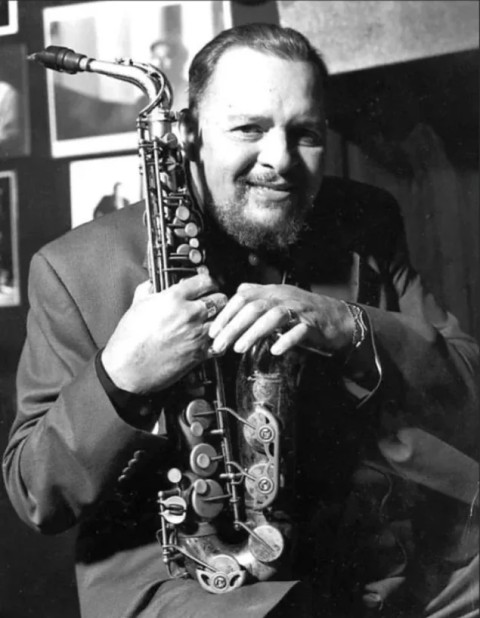
“If you can sing it, you can play it..”
John Lenwood “Jackie” McLean was an American jazz alto saxophonist, composer, bandleader, and educator. He is one of the few musicians to be elected to the DownBeat Hall of Fame in the year of their death. McLean received informal tutoring from neighbours Thelonious Monk, Bud Powell, and Charlie Parker. During high school he played in a band with Kenny Drew, Sonny Rollins, and Andy Kirk, Jr. (the saxophonist son of Andy Kirk). Along with Rollins, McLean played on Miles Davis’ Dig album when he was 20 years old. As a young man he also recorded with Gene Ammons, Charles Mingus and as a member of Art Blakey’s Jazz Messengers. McLean joined Blakey after reportedly being punched by Mingus. Fearing for his life, McLean pulled out a knife and contemplated using it against Mingus in self-defense, but later stated he was grateful that he had not stabbed the bassist.
Jim McNeely
May 18, 1949
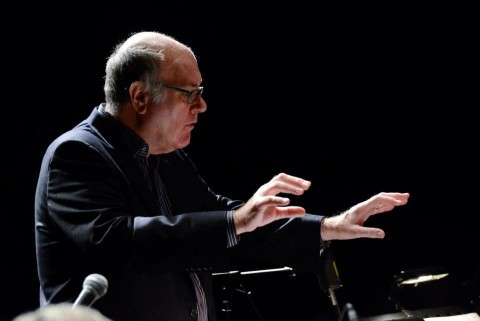
Jim McNeely is a jazz pianist, composer and arranger. He earned a Bachelor of Music degree from the University of Illinois, and moved to New York City in 1975. In 1978, he joined the Thad Jones/Mel Lewis Big Band. He spent six years as a featured soloist with that band and its successor, Mel Lewis and the Jazz Orchestra (now the Vanguard Jazz Orchestra). In 1981, he began a four-year tenure as pianist/composer with the Stan Getz Quartet. From 1990 until 1995, he was the pianist in the Phil Woods Quintet. In 1996, he re-joined the Vanguard Jazz Orchestra as pianist. He is still associated with the Vanguard Orchestra as composer-in-residence. He has appeared as guest with many of Europe’s leading jazz orchestras, and also leads his own tentet, his own trio, and appears as soloist at concerts and festivals worldwide. He has recorded more than 20 albums as leader, receiving twelve Grammy nominations between 1997 and 2019.
Sonny Fortune
May 19, 1939 – October 25, 2018

Sonny Fortune was an American jazz saxophonist. Fortune played soprano, alto, tenor, and baritone saxophones, clarinet, and flute.
After moving to New York City in 1967, Fortune recorded and appeared live with drummer Elvin Jones’s group. In 1968 he was a member of Mongo Santamaría’s band. He performed with singer Leon Thomas, and with pianist McCoy Tyner (1971–73). In 1974 Fortune replaced Dave Liebman in Miles Davis’s ensemble, remaining until spring 1975, when he was succeeded by Sam Morrison. Fortune joined Nat Adderley after his brief tenure with Davis, then formed his own group in June 1975, recording two albums for the Horizon Records. During the 1990s, he recorded several albums for Blue Note.
Roger Frampton
May 20, 1948 – January 4, 2000
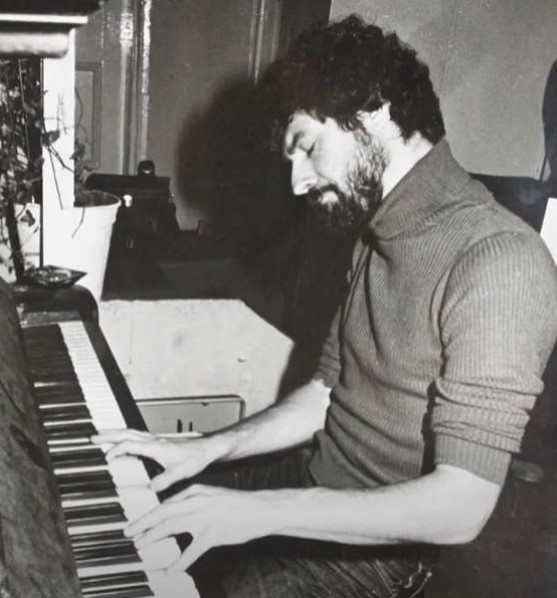
“A musician of often intimidating energy and unpredictability”
(Bruce Johnson in the Oxford Companion to Australian Jazz)
Roger Frampton was an Australian jazz pianist, saxophonist, composer, and educator. Based in Sydney, he played a major role in shaping the evolution of Australian jazz. He taught at the Jazz Studies course at the Sydney Conservatorium of Music, and also became Head of Jazz Studies during the late 1970s. Born in Portsmouth, England, Frampton began learning piano and saxophone at an early age and by the time he was 15 he had formed his modern jazz group which played in local clubs, also performing with top English jazz musicians. He migrated to Australia with his family in 1966, and over the years was involved with many different groups. In the late 1980s and during the 1990s, Frampton performed to critical acclaim with Ten Part Invention, the trio The Engine Room with John Pochée and Steve Elphick, and with renowned US jazz musicians such as Don Rader, Steve Lacy and Lee Konitz. His work during this period, as a pianist, saxophonist and composer, has been extensively recorded. In 1991 he was awarded an APRA Award for jazz composition. He participated in the 1999 Wangaratta Festival of Jazz, performing a concert of his own music with Ten Part Invention.
Fats Waller
May 21, 1904 – December 5, 1943

“Jazz isn’t what you do; it’s how you do it.”
Thomas Wright “Fats” Waller was an American jazz pianist, organist, composer, violinist, singer, and comedic entertainer. His innovations in the Harlem stride style laid the groundwork for modern jazz piano. His best-known compositions, “Ain’t Misbehavin’” and “Honeysuckle Rose”, were inducted into the Grammy Hall of Fame in 1984 and 1999.Waller copyrighted over 400 songs, many of them co-written with his closest collaborator, Andy Razaf. Razaf described his partner as “the soul of melody… a man who made the piano sing…”
Sun Ra
May 22, 1914 – May 30, 1993

“The real aim of music is to co-ordinate the minds of the people into an intelligent reach for a better world and an intelligent approach to the living future.”
Le Sony’r Ra (born Herman Poole Blount), better known as Sun Ra, was an American jazz composer, bandleader, piano and synthesizer player, and poet known for his experimental music, “cosmic” philosophy, prolific output, and theatrical performances. For much of his career, Ra led The Arkestra, an ensemble with an ever-changing name and flexible line-up. He became involved in the Chicago jazz scene during the late 1940s and soon abandoned his birth name, taking the name Le Sony’r Ra, shortened to Sun Ra (after Ra, the Egyptian god of the Sun). Throughout his life he denied ties to his prior identity saying, “Any name that I use other than Ra is a pseudonym.” His widely eclectic and avant-garde music echoed the entire history of jazz, from ragtime and early New Orleans hot jazz, to swing music, bebop, free jazz and fusion. His compositions ranged from keyboard solos to works for big bands of over 30 musicians, along with electronic excursions, songs, chants, percussion pieces, and anthems.
Humphrey Lyttelton
May 23, 1921 – April 25, 2008

“I used to look at these pictures of trumpeters pointing their instrument to the ceiling. Stunning pictures, but if you play the trumpet and point it upwards, all the spit comes back into your mouth!”
Humphrey Richard Adeane Lyttelton, also known as Humph, was an English jazz musician and broadcaster. Having taught himself the trumpet at school, Lyttelton became a professional musician, leading his own eight-piece band, which recorded a hit single, “Bad Penny Blues”, in 1956. In the late 1940s and early 1950s Lyttelton was prominent in the British revival of traditional jazz forms from New Orleans, recording with Sidney Bechet in 1949. Over time, Lyttelton gradually shifted to a more mainstream approach favoured by American musicians such as trumpeter Buck Clayton. As a broadcaster, he presented BBC Radio 2’s The Best of Jazz for forty years, and hosted the comedy panel game I’m Sorry I Haven’t a Clue on BBC Radio 4, becoming the UK’s oldest panel game host. Lyttelton was also a cartoonist, collaborating on the long-running Flook series in the Daily Mail, and a calligrapher and president of The Society for Italic Handwriting.
Archie Shepp
May 24, 1937

Archie Shepp is an American jazz saxophonist, educator and playwright who since the 1960s has played a central part in the development of avant-garde jazz. He studied piano, clarinet, and alto saxophone before focusing on tenor saxophone. He occasionally plays soprano saxophone and piano. He studied drama at Goddard College from 1955 to 1959. He played in a Latin jazz band for a short time before joining the band of avant-garde pianist Cecil Taylor.
Jimmy Hamilton
May 25, 1917 – September 20, 1994
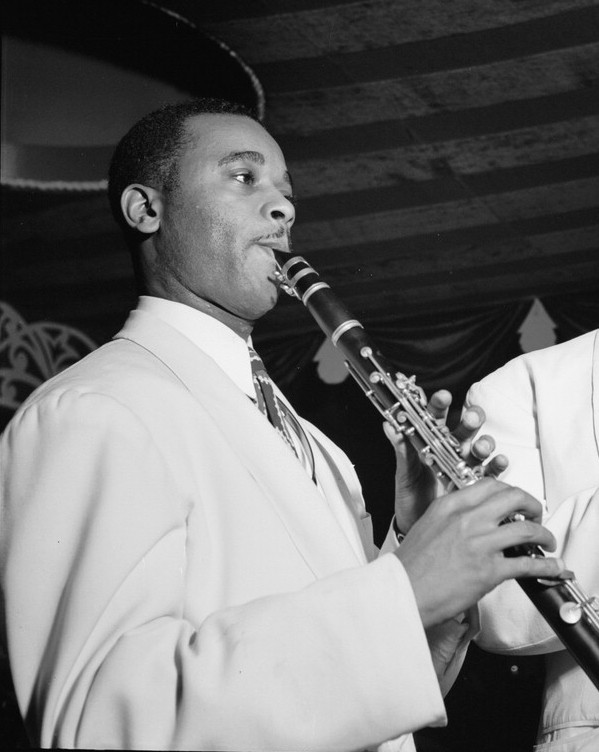
Jimmy Hamilton was an American jazz clarinetist and saxophonist, who was a member of the Duke Ellington Orchestra. In 1943, he replaced Barney Bigard in the Duke Ellington orchestra and stayed with Ellington until 1968. His style was different on his two instruments: on tenor saxophone he had an R&B sound, while on clarinet he was much more precise and technical. He wrote some of his own material in his time with Ellington. After he left the Ellington orchestra, Hamilton played and arranged on a freelance basis before spending the 1970s and 1980s in the Virgin Islands teaching music. On his retirement from teaching, he continued to perform with his own groups in 1989 and 1990.
Miles Davis
May 26, 1926 – September 28, 1991
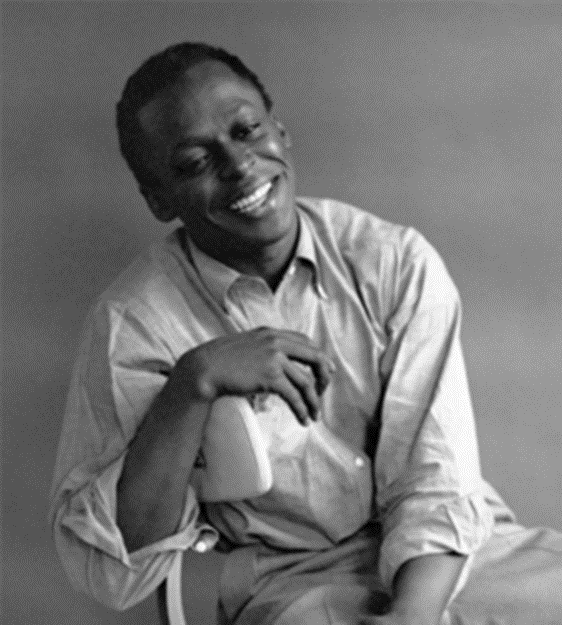
“My future starts when I wake up every morning. Every day I find something creative to do with my life.”
Miles Davis was an American jazz trumpeter, bandleader, and composer. He is among the most influential and acclaimed figures in the history of jazz and 20th-century music. Davis adopted a variety of musical directions in a five-decade career that kept him at the forefront of many major stylistic developments in jazz.
Peggy Lee
May 26, 1920 – January 21, 2002
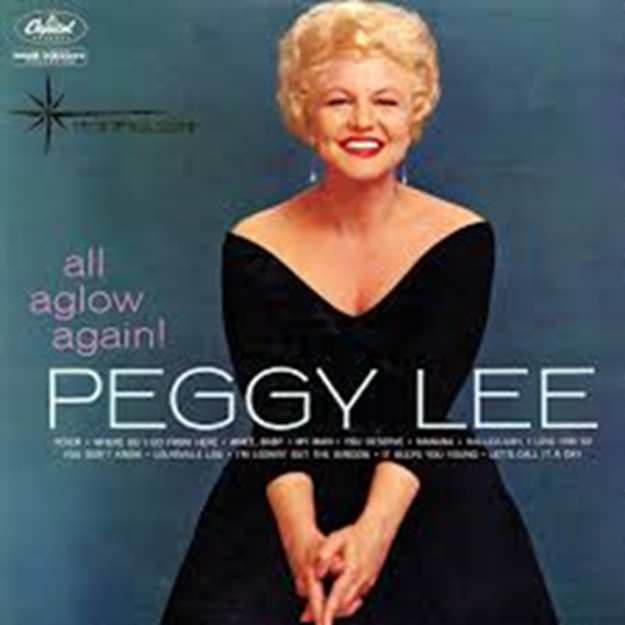
“You can’t beat The Beatles, you join ‘em.”
Norma Deloris Egstrom, known professionally as Peggy Lee, was an American jazz and popular music singer, songwriter, composer, and actress, with a career spanning six decades. From her beginning as a vocalist on local radio to singing with Benny Goodman’s big band, Lee created a sophisticated persona, writing music for films, acting, and recording conceptual record albums combining poetry and music.
Niels-Henning Ørsted Pedersen
May 27, 1946 – April 19, 2005

“As opposed to some people, who are always looking for an identity that they think is the trend of the time, I happen to be just the opposite. I look for my own identity, regardless of trends.”
Niels-Henning Ørsted Pedersen, also known by his abbreviated nickname NHØP, was a Danish jazz double bassist. Pedersen was born in Osted, near Roskilde, on the Danish island of Zealand, the son of a church organist. As a child, Ørsted Pedersen played piano, but from the age of 13, he started learning to play upright bass and at the age of 14, while studying, he began his professional jazz career in Denmark with his first band, Jazzkvintet 60 (Danish for Jazz Quintet 60). By the age of fifteen, he had the ability to accompany leading musicians at nightclubs, working regularly at Copenhagen’s Jazzhus Montmartre. He is perhaps best known for his extensive collaboration with Oscar Peterson from 1972 to 1987. His predecessor, Ray Brown, thought highly of the Dane and regarded him as the only upright bassist equal to the task of keeping up with the pianist. He was awarded Best Bass Player of the Year by DownBeat Critics’ Poll in 1981.
Janet Seidel
May 28, 1955 – August 7, 2017

“I feel and have always felt that the song is more important than the singer.”
Janet Seidel was an Australian jazz vocalist and pianist. Seidel studied at the Elder Conservatorium at the University of Adelaide, worked as a high school music teacher in New South Wales at the Sydney Girls High School and as a professional musician as a pianist and singer. From 1976 to 1980, she was an active member of the Adelaide Feminist Theatre Group, writing, arranging, conducting and playing for various of their productions. Her 18 CD albums, recorded with musicians including her brother, bassist David Seidel, and partner Chuck Morgan (guitar), have been nominated for prizes such as the ARIA Music Awards. Her album Moon of Manakoora won the Bell Award for Best Australian Jazz Vocal Album in 2006.
Eugene Wright
May 29, 1923 – December 30, 2020

“Gene’s bass playing was the grounded beat that allowed us to explore complex rhythms and tempos: he wouldn’t budge from this grounded beat.” – Dave Brubeck
Eugene Wright, nicknamed The Senator in jazz circles, first became proficient on cornet, leading the group Dukes of Swing as a young man. He then taught himself the double bass and became even more successful at the peak of the swing era, earning slots under bandleaders including Count Basie and Erroll Garner. He also played with Billie Holiday and Charlie Parker, and displayed his versatility as the swing era ended, playing bebop with the likes of Sonny Stitt and Latin jazz with Cal Tjader. Wright was known for nimble soloing as well as providing rhythmic backing.
His most celebrated work, though, came with the Dave Brubeck Quartet from 1958 until 1968, alongside the bandleader on piano, Paul Desmond on alto saxophone and Joe Morello on drums. Wright played on Take Five, one of the most instantly recognisable tunes in jazz, as well as another classic, Blue Rondo à la Turk, and recorded more than 30 albums with the group.
Benny Goodman
May 30, 1909 – June 13, 1986
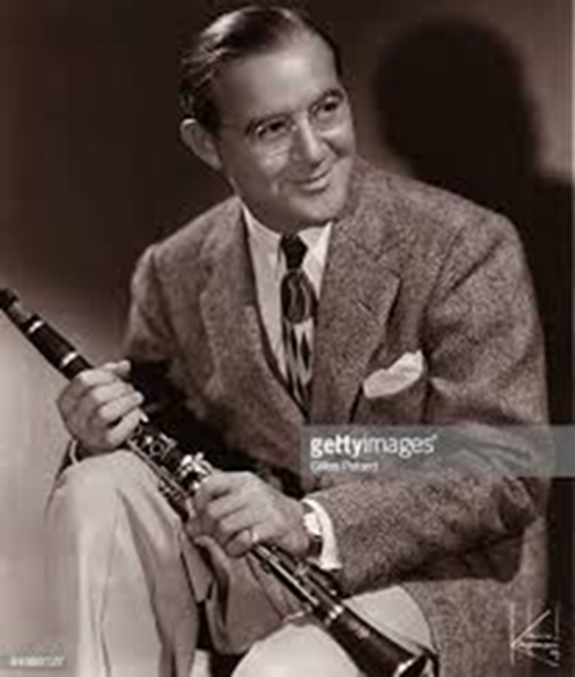
“If a guy’s got it, let him give it. I’m selling music, not prejudice.”
Benny Goodman was an American jazz clarinetist and bandleader known as the “King of Swing”. In the mid-1930s, Goodman led one of the most popular musical groups in the United States. His concert at Carnegie Hall in New York City on January 16, 1938 is described by critic Bruce Eder as “the single most important jazz or popular music concert in history: jazz’s ‘coming out’ party to the world of ‘respectable’ music. Goodman’s bands started the careers of many jazz musicians. During an era of racial segregation, he led one of the first integrated jazz groups. He performed nearly to the end of his life while exploring an interest in classical music.
Clint Eastwood
May 31, 1930
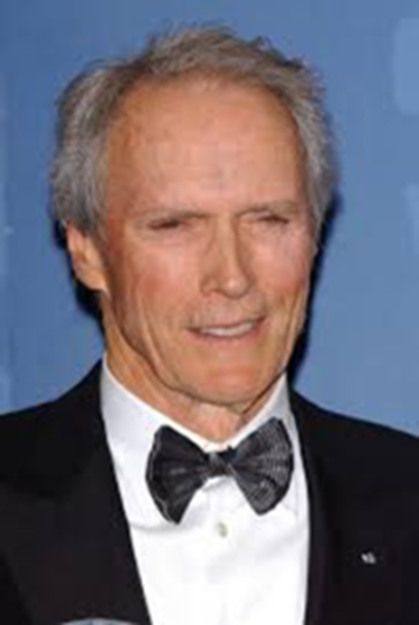
“There’s a rebel lying deep in my soul. Anytime anybody tells me the trend is such and such, I go the opposite direction. I hate the idea of trends. I hate imitation; I have a reverence for individuality.”
Clint Eastwood is a pianist and composer in addition to his main career as an actor, director, and film producer. He developed as a ragtime pianist early on, and in late 1959 he produced the album Cowboy Favorites, which was released on the Cameo label. Jazz has played an important role in Eastwood’s life from a young age and although he was never successful as a musician, he passed on the influence to his son Kyle Eastwood, a successful jazz bassist and composer.