
Mozart Requiem
Mosman Art Gallery
Sunday 28 September 2025
Reviewed by Michael Morton-Evans
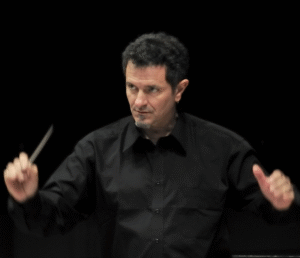
Mozart’s Requiem in D minor remains one of the most powerful and enigmatic works in the choral-orchestral repertoire. The performance at the Mosman Art Gallery by the Mosman Symphony Orchestra and Chorus, under the baton of Andrew del Riccio, on Saturday afternoon (and again on Sunday) aimed high — and while there were moments of undeniable beauty, the performance fell short of true transcendence. From the solemn opening of the Requiem aeternum, del Riccio demonstrated a clear vision for the work, poised, reverent, and tightly controlled. This approach yielded some compelling textures, particularly in the choral blend and orchestral clarity.
However, it also at times was let down by the thin quality of the string section, which robbed the piece of the dramatic urgency that makes the Requiem so gripping. The orchestra was technically precise, but occasionally lacking in expressive depth. The Dies Irae, arguably the emotional core of the Requiem, was executed with admirable coordination — brass and timpani thundered as expected — but the performance felt somewhat calculated. The strings played cleanly throughout, but the overall tone could have benefited from more rawness, more anguish.
Vocally, the solo quartet was excellent. Soprano Samanta Lestevel offered a bright, agile tone. Mezzo-soprano Genevieve Dickson brought a rich lower register, while tenor Spencer Darby sang with musicality and clean phrasing. Baritone Tristan Entwhistle, however, was a standout. His performance in the Tuba Mirum — commanding and resonant — brought a needed gravity to the solo section and gave the audience one of the afternoon’s more memorable moments.
The choir, made up of singers from the Mosman Symphony Chorus, the Eastern Sydney Chamber Choir and a few escapees from the Willoughby Symphony Choir, are arguably the heart of any Requiem performance. They were consistent and disciplined. Their diction was crisp, and their entries (with one tiny exception) were impressively tight. But the emotional range of the choral singing felt restricted. The Lacrimosa, for example, while beautifully phrased, lacked the aching fragility that can make it such a devastating moment. Here the choir sounded more like a well-rehearsed ensemble than a collective voice pleading for mercy.
In sum, this was a respectful, well-prepared performance of Mozart’s final masterpiece, marked by moments of polish and precision. The Mosman Symphony series is certainly one to keep your eye on.